
Guide to “where to find organic produce” in Vaucluse (6.9 MB)
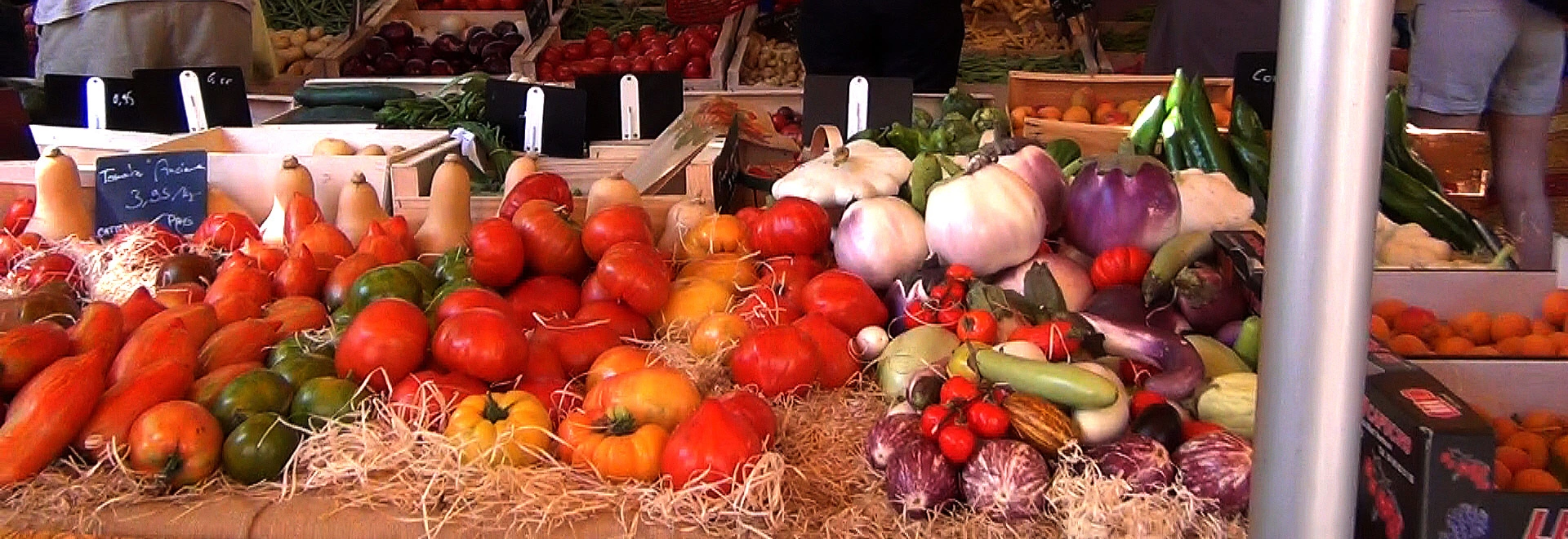
Produce from the land of Provence

Vaucluse is at once an orchard, an olive grove and a vegetable garden. The region is home to a number of products with Protected designation of Origin (PDO): Cavaillon melon, Monts de Venasque cherry, Ventoux Muscat grapes, and Carpentras strawberry. Olives pressed in the local oil mills produce a fruity oil that has become a staple of Provençal cuisine. Add another few traditional flavours: candied fruits, nougat, the Carpentras berlingots, aromatic plants, saffron, and aioli, and welcome to the kingdom of flavour!
Sun-kissed fruit and vegetables
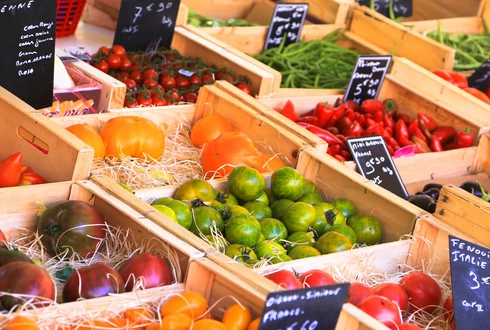
Vaucluse benefits from a climate ideal for the production of juicy fruits and flavourful vegetables, which fill the spring market stalls with shades of red, green, orange and yellow.
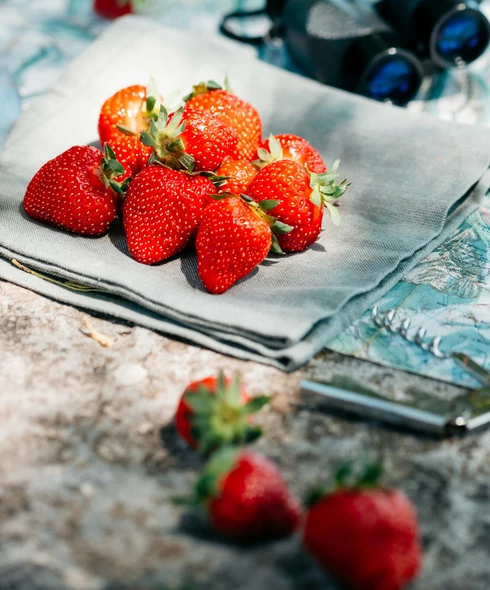
The Carpentras strawberry
Bright red, plump, and sweet, strawberries are one of the jewels of Carpentras. From vermillion shades with tangy flavours to the fragrant orange-tinted ciflorette and garriguette varieties, the day we taste the first strawberries of the year has become equivalent to a local holiday.
Cavaillon melon
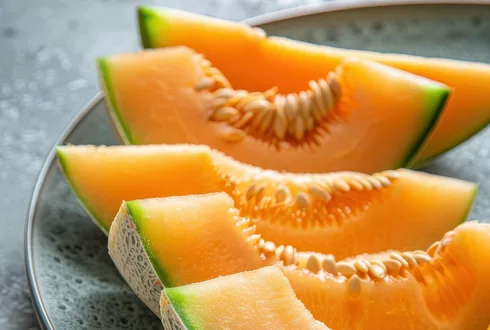
Cavaillon melon is cultivated throughout Provence as far as the Durance River. Prized for its sweet and juicy flesh, the melon is the guest of honour on summer tables and in restaurant kitchens. The region's exceptional levels of sunshine and air circulation from the mistral create the ideal conditions for traditional cultivation, which has been practiced in Vaucluse since the 15th century.
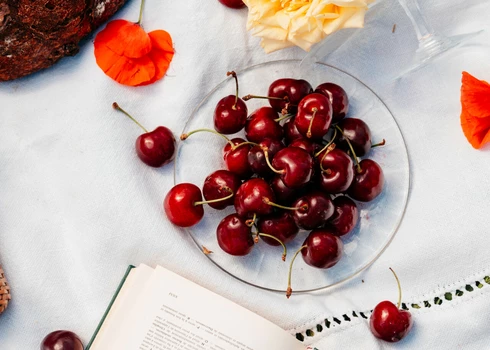
Ventoux cherries
When the fields of sparkling white flowers fade and shades of red stand out from the green foliage, cherry season in Provence is officially underway. From the plains of the Comtat Venaissin to the Luberon, the Provençal cherry is the star of late spring!
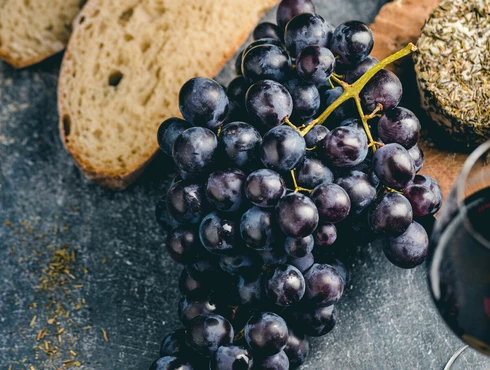
Ventoux muscat grape
The Ventoux muscat is an exceptional table grape carefully cultivated on the sunny slopes of Mount Ventoux. Benefiting from a Protected Geographical Indication (PGI), it is recognizable by its firm and juicy texture and the sweet and intensely fragrant flavour that is characteristic of muscats.
Olives and olive oil
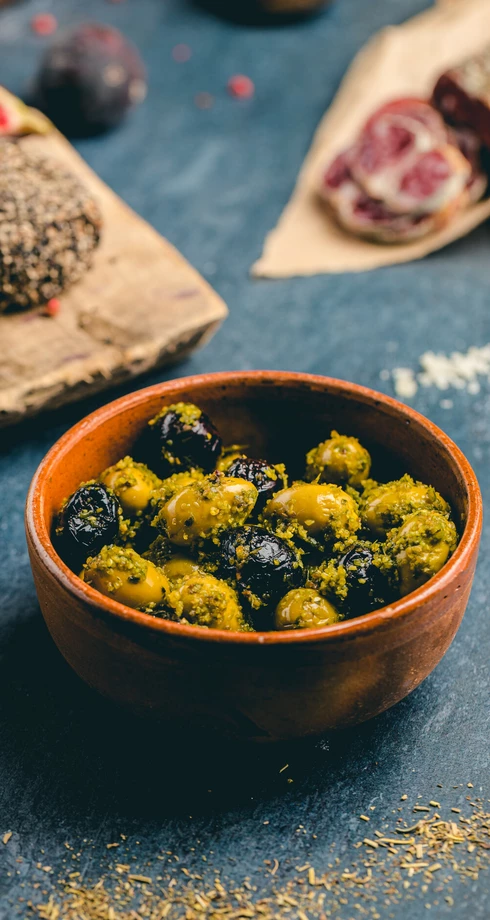
Since 2006, the “Huile d’olive de Provence” (“Provence olive oil”) PDO has protected and guaranteed the quality of olive production in 115 Vaucluse communes located between Mont Ventoux and the Luberon. This PDO has two denominations that depend on whether the olives are used fresh or after maturation; if the time period between harvesting and pressing is longer than three days, the phrase “matured olives” is added to the appellation.
- Aglandau olives produce a powerfully fragrant oil with notes of artichoke and almond, which carries the “Huile de Haute Provence” Protected Designation of Origin (PDO).
- The Tanche variety, in addition to its oil, produces flavoursome black table olives, which carry the “Olive noire de Nyons” PDO.
Each olive tree yields between 15 and 50 kilos of olives. It takes four to six kilos of olives to produce one litre of oil.
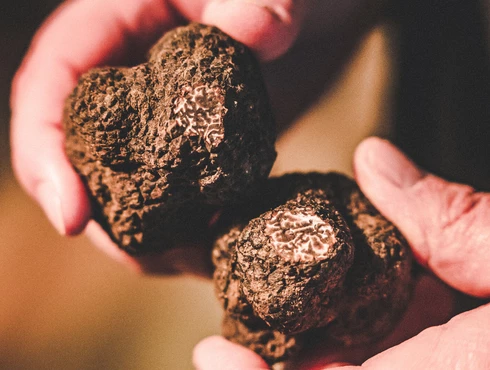
Truffles
In winter, truffles attract food-lovers and inspire local chefs. Can the black diamonds really be found in Vaucluse? Absolutely! The region boasts some of the best truffle markets in France, in Richerenches and Carpentras. In fact, the Vaucluse region is responsible for half of truffle production in Provence, which in turn constitutes a whopping 80% of national production.
Saffron
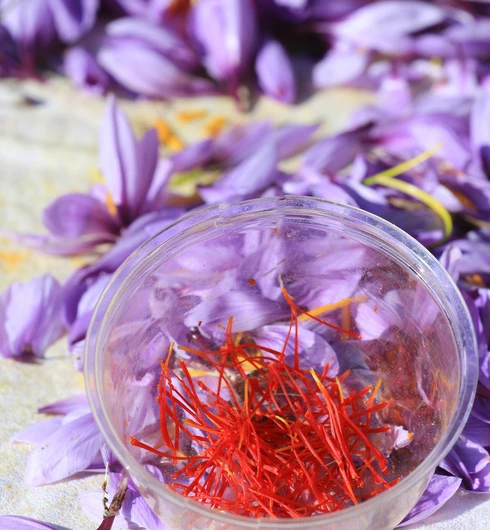
After the black diamond comes saffron, the red gold of Vaucluse and a true delight to the taste buds. Brought to the region in the 14th century by the Avignon Popes, this small, delicate flower became a rarity in the 19th century. Today, it is once again cultivated by enthusiastic producers in saffron farms around Ventoux. Saffron is also famous for its cosmetic and medicinal properties.
Sweet treats
Nougat
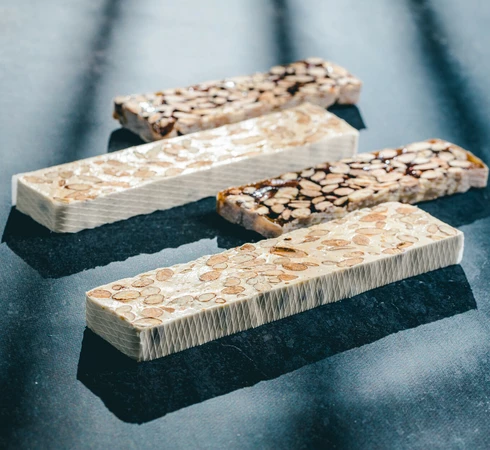
Nougat is one of the stars of Provençal confectionery. Its creation originates from a charming love story between a young confectioner and the daughter of his patron. His nougat recipe, combining honey and almonds, has become one of the most emblematic delicacies of Provence.
Candied fruit
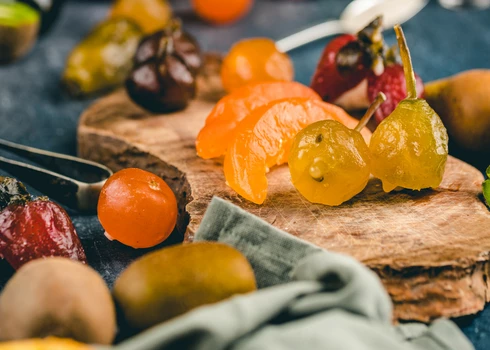
A Vaucluse delicacy, candied fruits adorn our dinner tables during the end of year festivities. Cherries, orange, kiwi, melon, apricot… there are so many delicious choices that we can’t live without. The region is a leading producer in France thanks to Apt, known as the capital of candied fruit.
Carpentras berlingots
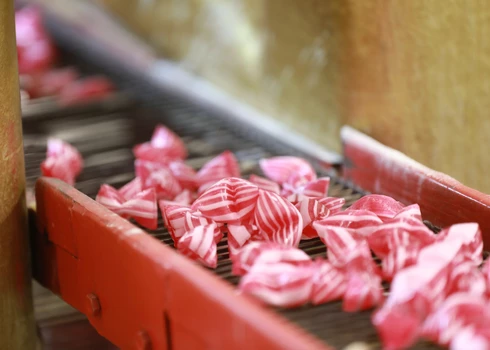
Mint, strawberry, lemon, poppy, lavender, chestnut – these small hard candies from Carpentras come in as many colours as they do flavours! Berlingots never fail to delight the little ones and fill adults with a warm feeling of nostalgia. Why not take the time to watch them being made – the experience makes them taste even more delicious!
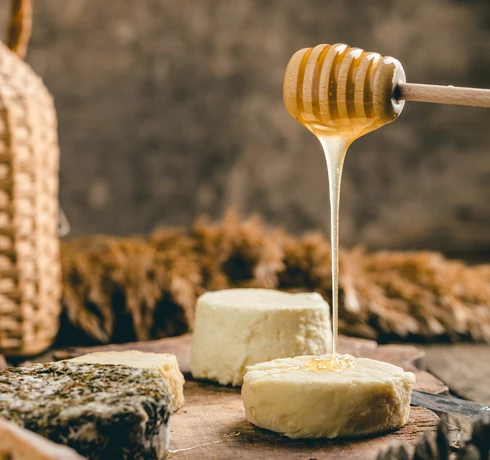
Le miel
From lavender fields to the gardens of the Popes’ Palace, vineyards and olive groves, Vaucluse is an attractive location to the bee population! Possessing a deep understanding of the medicinal benefits of honey, local beekeepers produce a wide range of different varieties; from wildflowers and acacia to chestnut or pine, you can find an assortment of subtle and refined flavours in Provençal honey.
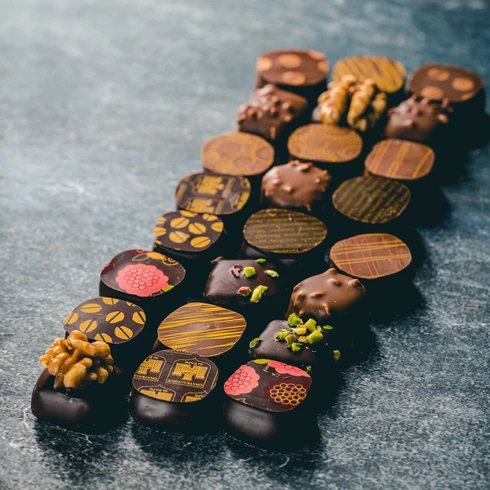
Chocolate and chocolatiers
“Cho-co-late” – those three syllables alone make our mouths start to water! We can’t resist the opportunity to enjoy this sweet treat whenever we can, and our quest is aided by the master chocolatiers of Vaucluse. Their chocolates will delight the palates of foodies, connoisseurs, and aficionados alike.