Museums et Monuments




The Popes’ Palace, Avignon bridge, Avignon Festival, shopping, gastronomy, wines from the Rhône valley, Via Rhôna, and more ... Avignon has everything you need for holiday full of new discoveries, meetings, and a variety of rich experiences. Located in the heart of Provence, the Papal city is a marriage of heritage, culture, flavour and even nature-based activities!

The famous Saint-Bénézet bridge is a medieval monument and listed UNESCO world heritage site. Constructed in the 12th century, today only four of the original twenty-two arches remain, but the bridge’s history and its view of the Rhône make it a must-see for visitors.
The Avignon bridge was originally a toll bridge, whose revenue was famously used for the bridge’s own repair, as sections of it were often washed away by the floods of the Rhône.
Just a few steps away, the Popes’ Palace, the largest gothic palace in Europe, stuns with its impressive towers and grand rooms. The Palace was the home to nine popes during the 14th and 15th centuries.
An international festival of performing arts, the Festival d’Avignon is one of the world’s best-known theatre festivals, shining a spotlight on the excellence of contemporary works over the course of 3 weeks in July. The festival covers around 20 different locations, including the Cour d’honneur in the Popes’ Palace, where the festival was first conceived by Jean Vilar back in 1947.
Don’t forget about the Off Avignon festival, which presents over 1500 productions annually during the same time of year.
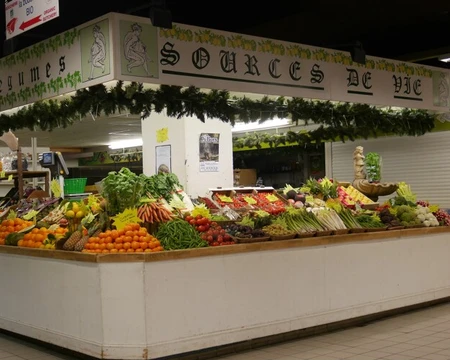
The 2-day itinerary is made up of of visits and activities located within the bounds of the city walls. In addition to the Avignon bridge and the Popes’ Palace, which take about half a day to explore, set aside the afternoon to visit whichever of the city’s museums takes your fancy: contemporary art at the Collection Lambert, Italian medieval art at the Petit Palais museum (fr), or art from the modern age at the Angladon museum… Make sure to save a little time to stroll through the pretty boutiques in the heart of the city, the covered market “Les Halles”, open Tuesday to Sunday in the mornings, or even the Saturday-morning market in Carmelite Square, filled with all sorts of local products.
Use these two extra days to explore the other side of the Rhône! An initial stop-off at Barthelasse island offers stunning views of the Avignon bridge and the Popes’ Palace. It’s also Avignon’s most popular green space, with walking and hiking trails, cycling routes (the Via Rhôna passes through here), orchards and market gardens. Explore further into the Gard region and visit Villeneuve-lez-Avignon and the fort St André, which stands adjacent to the eponymous abbey, and the charming city centre.
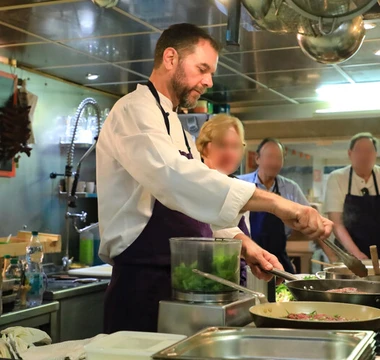
Staying for a full week gives you the time to get off the beaten track and discover some more secret locations. You’ll have the opportunity, for example, to meet with locals as you step inside shops run by local artisans, participate in cooking workshops, or even complete a course at the Wine School. Acting as a gateway to the rest of Provence, Avignon will become your basecamp as you visit the surrounding treasures: the hilltop villages of the Luberon region, the landscapes and massifs of Ventoux, and the vineyards of the southern Rhône valley.
If you want to enjoy Avignon’s various festivals, the best time to visit is July. Or, if you’d prefer to visit during a quieter period, book a stay in spring or autumn, when you can also benefit from the more pleasant temperatures.
Avignon has plenty of rail connections, which make it easy to access from France’s other main cities. The city is also easily explored on foot. Make sure to wear comfortable footwear as the streets are cobbled and can be quite steep.
In terms of getting around in the city, you can also use the available public transport: bus, tram, or self-service bicycles.
Top tip
Get more for your money with the Avignon City Pass (↗), which covers entry to 12 sites in addition to discounts on tours and other activities.

TGV (fr) direct trains
Paris Gare de Lyon by TGV: 2h40
Lille - Nantes - Geneva: 5h
Rennes - Strasbourg - Brussels: 6h
Public transport
Orizo (fr)
Shop: Avenue de Lattre de Tassigny – 84000 AVIGNON
Open Monday to Friday from 8am to 12:30pm and from 1:30pm to 6pm. Open Saturdays from 9am to 12pm.
Single journey fare: 1,40€ (available 1h)
Zou! regional buses lines 902, 905, 906, 907, 915, 924, 705, 707, 708 - PEM coach station stop
Journey time:
Orange → Avignon: 55 mins
Carpentras → Avignon: 45 mins
Isle-sur-la-Sorgue -> Avignon: 45 mins
Cavaillon -> Avignon: 50 mins
Single journey fare: €2.10 (€2.50 if purchased on the bus)
Allobus on-demand transport (fr)
Monday to Thursday: 5.30 am to 10.30 pm
Fridays and Saturdays: 5.30 am to 12.30 am
Sundays and public holidays (except 1 May): 7.30 am to 9.00 pm
On-demand cycling
With Vélopop (fr) electric bikes
300 bikes and 30 stations in Avignon, Villeneuve-lès-Avignon and Le Pontet
Pay-as-you-go rate: €0.50 for the first 30 minutes, then €0.10 per minute
or 24-hour access for €2 (unlimited journeys of less than 30 minutes, then €0.50 for each additional 30-minute period)
Car-sharing
The Citiz network allows you to hire a self-service car from Avignon for 1 hour, 1 day or longer.
Rate: €4 per hour or €33 per day + €0.42 per km
Pay and display: Palais des Papes car park, Halles car park, Jean Jaurès car park
Free: île Piot, Italiens car park
At one of the charging points at accommodation providers’ premises or on public roads
Yes, the Grand Avignon Urban Community (fr) subsidises carpooling via BlaBlaCar Daily
Rate per kilometre:
From 2 to 10 km: €1 per passenger carried
From 10 to 20 km: €1 per passenger + €0.10 per additional kilometre per passenger (up to a maximum of 20 km)
Over 20 km: €2 per passenger carried

Avignon
In Avignon's largest private garden in the heart of the historic center, a stone
From 01/01 to 31/12 on Monday. On Tuesday. On Wedn ...


Avignon
From 01/04 to 31/10/2026 daily.

Le Pontet
5 minutes from Avignon, former private mansion, magnificent garden, internationa
From 31/01/2026 to 02/01/2027 daily.