
Châteauneuf-du-Pape
Hostellerie du Château des Fines Roches ****
Located in Châteauneuf-du-Pape, this magnificent property is both a medieval and
From 01/01 to 23/12 daily.



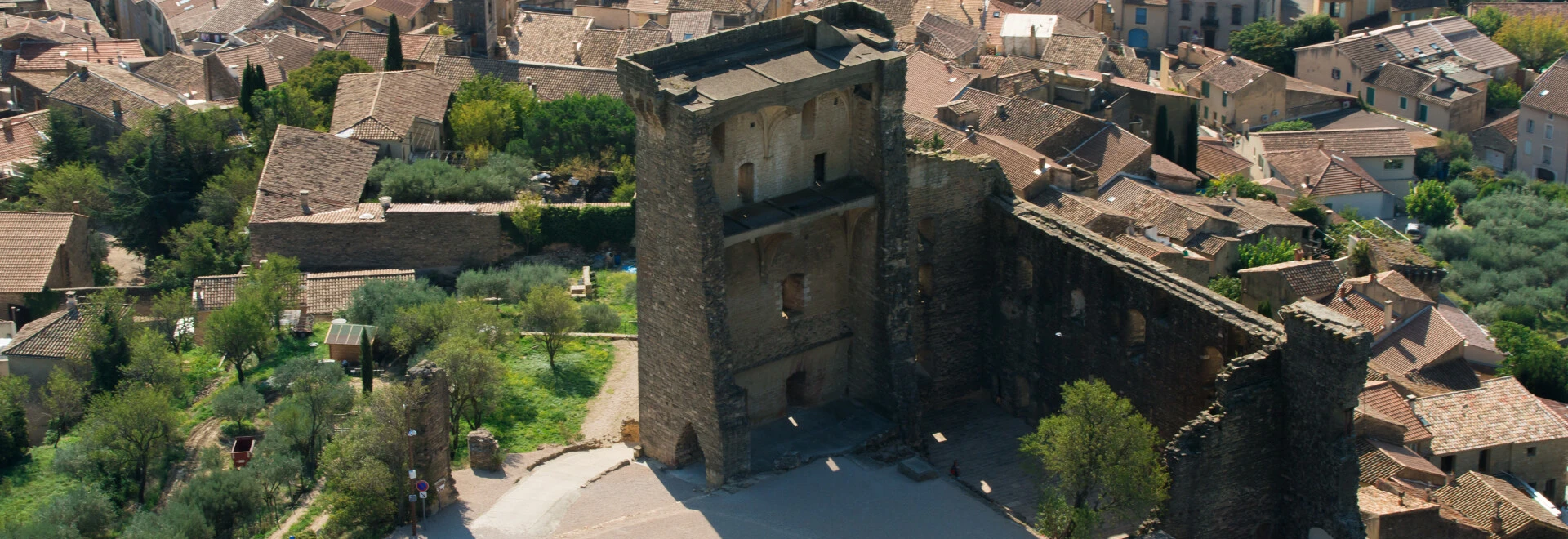

Châteauneuf-du-Pape, a medieval town with Papal roots, combines tradition with viticultural excellence. Located between renowned vineyards and well-preserved landscapes, discover a territory where each bottle of wine tells a story, and each location whispers of a unique heritage.
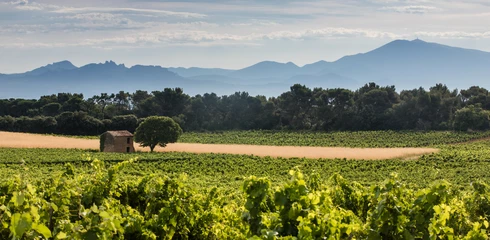
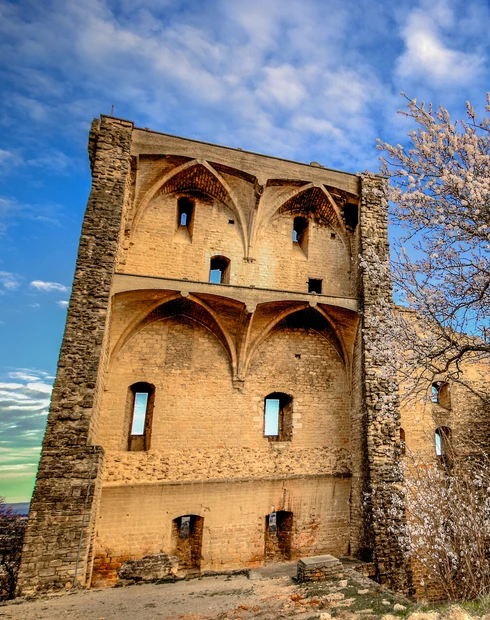
Nestled between fields of vines and rolling hills, Châteauneuf-du-Pape takes its name, and some of its prestige, from its Papal history. In the 14th century, the Papal court settled in Avignon, and the Popes, charmed by the local wines, chose this territory as the location for their summer residence. The Chateau itself, now in ruins, evokes this medieval period, when local viticulture evolved to combine Italian expertise with monastic traditions, giving birth to a unique winemaking technique.
The Papal tiara, an insignia
Adorning every bottle from Châteauneuf-du-Pape, the Papal coat of arms and tiara form a unique insignia. First added in the 14th century, the seal symbolises the link between these exceptional wines and their Papal heritage.
It was during the reign of Jean XXII that the reputation of Châteauneuf-du-Pape wine began to grow, eventually becoming known as the “Pope’s wine”. Today, the appellation extends over 300 vineyards and produces around 90,000 hectolitres of wine per year, the majority of them reds.
The success of the appellation comes from the exceptional territory it covers, with 13 different grape varieties, a sunny climate swept by the breezes of the Mistral, and round pebbles that retain the day’s heat to create the ideal environment for grape maturation.
The result: The powerful flavour of the grapes from these legendary vines is incontestable, creating robust reds and delicate whites.
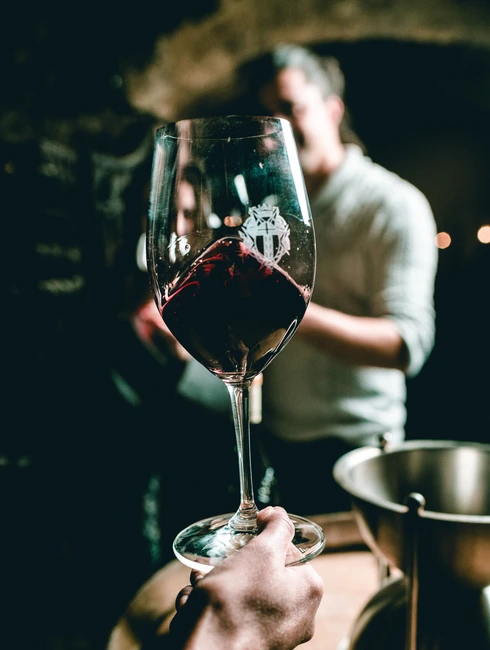
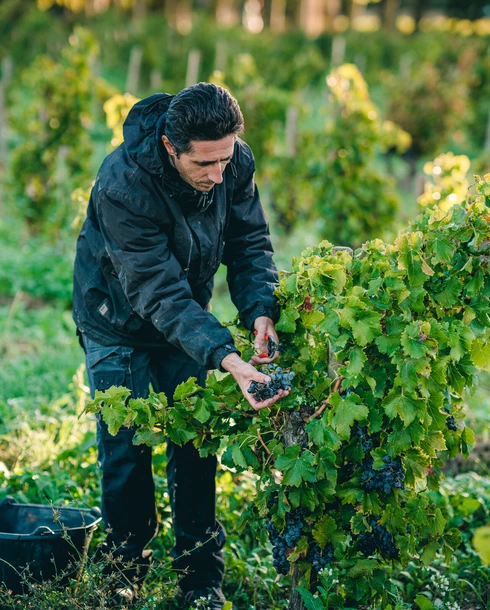
The best way to verify that a vineyard’s renown is well-earned (and we can confirm, it is!), is to meet the people who work all year round to maintain its excellence. Tasting workshops are organised regularly, notably at the Vinadea Vinothèque.
For an even more unique experience, some estates offer guided tours by bike or segway.
No flying saucers allowed
While tastevins are more than welcome in Châteauneuf-du-Pape, the same cannot be said for UFOs, which have been banned from surveying, landing on, or taking off from the town since the publication of a municipal decree back in 1954. Article 2 of the decree states that: “Any aircraft labelled as a flying saucer (or “cigare volant” in French) that lands on the town’s domain will immediately be impounded”.
Zone Natura 2000, l'Islon Saint-Luc est un espace boisé et animé par le chant des oiseaux à proximité de Châteauneuf-du-Pape. Avec ses sentiers, il fait le bonheur des marcheurs et joggeurs et est le point de départ d'itinéraires de randonnées. Il est également traversé par la Via Rhôna.
Château de l'Hers
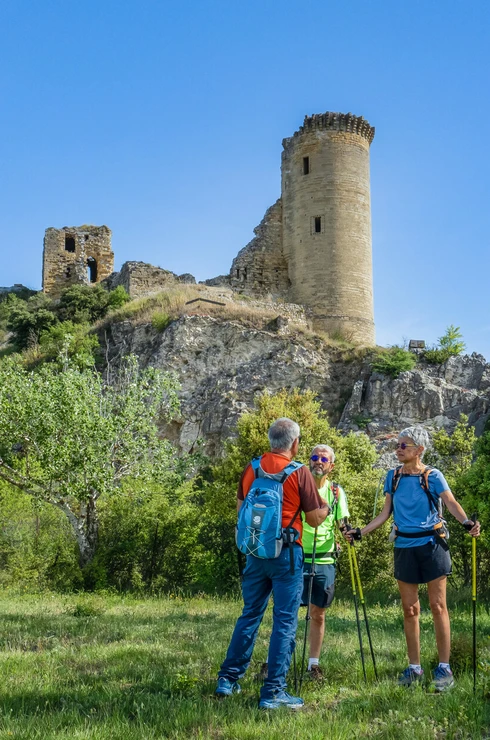
To the north of Islon stand the ruins of this chateau, remnant of a community that used to manage one of the toll booths on the Rhône.
Contact the Tourist Office: www.poptourisme.fr - +33(0)4 90 83 71 08 or the Châteauneuf-du-Pape Syndicate website
The Zou bus network! connects the town with the rest of the region via line 922, with stops at Pierre de Luxembourg and Louis Pasteur.
A free shuttle bus runs on Tuesday, Wednesday, Thursday and Saturday mornings (except on public holidays, the village fair and the Veraison festival) to help you get around the village.
Baron Le Roy Carpark, free of charge.
At one of the charging points at accommodation providers’ premises or on public roads
Châteauneuf-du-Pape
Located in Châteauneuf-du-Pape, this magnificent property is both a medieval and
From 01/01 to 23/12 daily.

Châteauneuf-du-Pape
Beautifully appointed house with 600m² fenced garden and private parking, in the
From 01/01 to 31/12 daily.

Châteauneuf-du-Pape
La Maison Mireille, a 3* furnished holiday home, is located in the heart of the
From 01/01 to 31/12 daily.