
Apt
La Bastide de Mauragne ***
Comfortable independent apartment in a typical bastide of the region, quiet and
From 21/03 to 03/10/2026 daily.

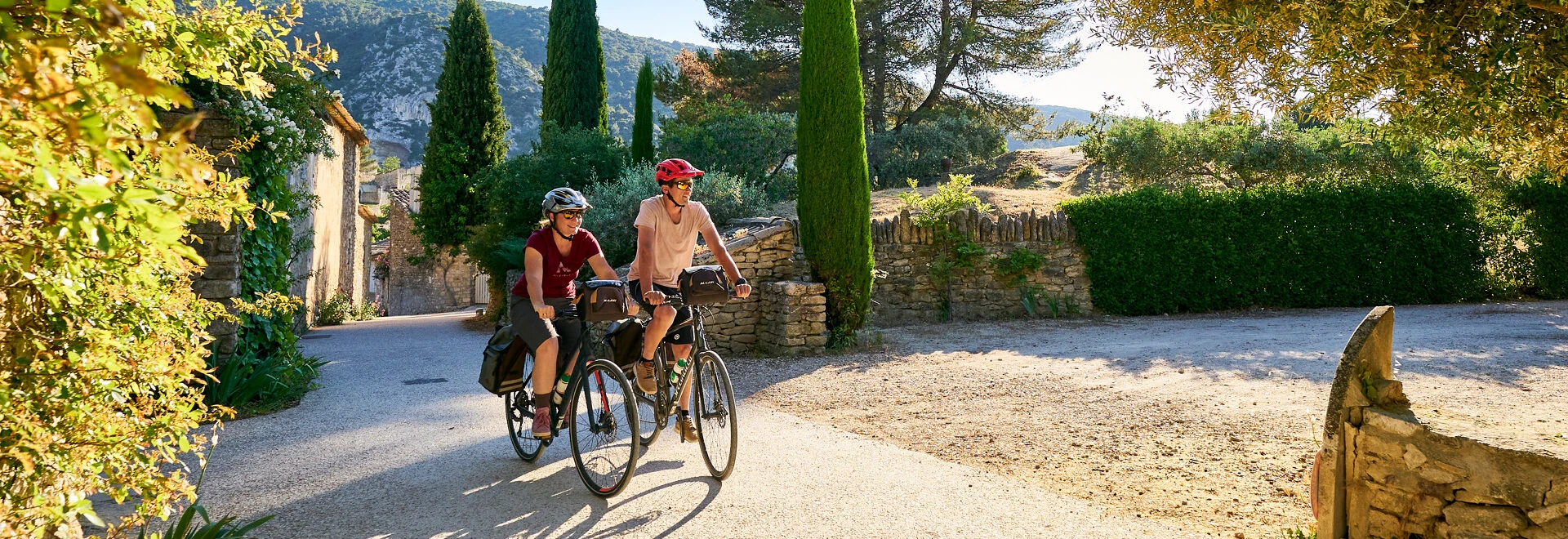

The picturesque villages, varied landscapes, and historical heritage of the Luberon region make it an unmissable destination for lovers of nature, cultural enthusiasts and epicureans. Be sure to explore: the narrow streets of Gordes, the vibrant ochre in Roussillon, the medieval atmosphere in Bonnieux or Lourmarin, the colourful markets full of local products, the hiking trails, the vineyards, and the panoramic views from the peaks of the Luberon…

The Luberon region stands out for the richness of its landscapes, ranging from wild expanses to charming villages, and from gently rolling hills to typical scrubland.
Famous for its many antiques dealers, Isle-sur-Sorgue charms visitors with its waterwheels, gently turning as the river flows by, its shady riverbanks, the perfect place for a stroll, and its Provençal market… A marriage between the Luberon art of living and the refreshing waters of the Sorgue, this little town appeals to aesthetes and lovers of cycling and walking alike.

To the west, we enter the Luberon region through Cavaillon, nestled on the banks of the Durance. Famous for its melons, the town is the gateway to a constellation of different villages full of character, among them some of the most well-known in Provence: Gordes and Lourmarin, towns standing proudly around their castles, the timeless atmosphere of Oppède-le-Vieux, Ménerbes with its cultural effervescence, the sloping streets of Bonnieux, Lacoste and the impressive remains of the Marquis de Sade’s chateau, and the vibrant hues of the ochre cliffs in Roussillon.
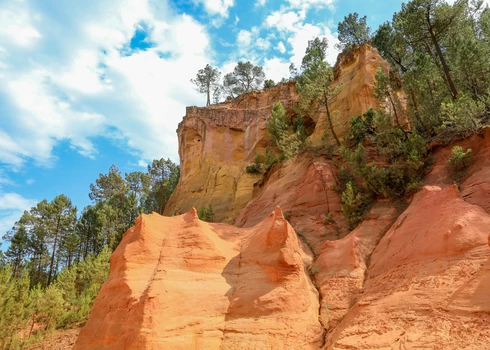
From Provencal Colorado to the Ochre paths in Rustrel, stopping off at the Okhrâ Eco Museum on the way, Apt and its surroundings are coloured by the ochre pigment that paints the countryside with its orange hues. These colourful shades are also found in the candied fruits which have become an Apt specialty.

Southern Luberon, with its wilder landscapes and peaks reaching 1125m, is all about nature. To enjoy it close up, fill your days with hikes, bike rides or mountain biking, with pitstops at the vineyards.
Located in the heart of Provence, the Luberon Regional Natural Park is an expanse of well-preserved nature. Its 78 picturesque villages, rolling hills, and its summit, the Mourre Nègre, are each part of an ever-renewing set of landscapes that mix shades of ochre, green vines and sparkling blue fields of lavandin. The massif stretches over 75 km, with the Petit and Grand Luberon regions sharing the spotlight, separated by the Lourmarin valley. Part of the UNESCO world Geoparks network and the European Natura 2000 network, the protection of the landscape and its biodiversity is part of the DNA of this region and its inhabitants.
Mourre Nègre, summit of the Luberon
The Mourre Nègre, the highest peak in the Luberon region, takes its name from the Provencal term “mourre” (meaning nose or muzzle) and “nègre” (the colour black), in reference to the rounded shape of the peak and its darkly coloured vegetation.

While the Sault plateau at the foot of Mount Ventoux is perhaps the most emblematic location for lavender production in Vaucluse, the fields stretch all the way to the Luberon region, where lavandin is cultivated. It can be found growing on the Claparèdes plateau near Apt, in Lioux, in Saignon and in front of the Sénanque abbey.
The garrigue is bursting with Provencal scents: thyme, rosemary, basil, and oregano give their fragrance to and enhance the flavours of the vegetables in the South of France. The tomatoes, courgettes and aubergines grown here can be used in thousands of recipes, simmered in olive oil. Served with a bottle of AOC Luberon wine, the regional specialties highlight the richness of the local products: melon, truffle, candied fruits, nougat, olives, honey and more.

Destination Luberon
Pays d'Apt Luberon
South Luberon Tourism
Isle-sur-la-Sorgue Tourism
The Luberon Regional Natural Park
Luberon by bike
TER train stations at Cavaillon (fr) and Isle-sur-Sorgue (fr)
Get around by bus via the regional Zou network!
Tarif 1 voyage : 2,10€ (2,50€ si achat dans le bus)
Sur les réseaux urbains
- A Cavaillon avec CmonBus. Tarif 1 voyage : 1€
- A Apt avec Mobility. Gratuit
Consult the map (fr) to find out whether the forest massifs are accessible, or whether a planned event will affect a route you were planning to take.
At one of the charging points at accommodation providers’ premises or on public roads
Yes, the communauté d'agglomération du Luberon Monts de Vaucluse (fr) subsidises carpooling via BlaBlaCar Daily
Rate per kilometre:
From 2 to 10 km: €1 per passenger carried
From 10 to 20 km: €1 per passenger + €0.10 per additional kilometre per passenger (up to a maximum of 20 km)
Over 20 km: €2 per passenger carried
Apt
Comfortable independent apartment in a typical bastide of the region, quiet and
From 21/03 to 03/10/2026 daily.

Apt
Lovely comfortable home in an 18th-century Provençal country house. Vast, calm s
From 28/03 to 08/11/2026 daily. From 19/12/2026 t ...

Castellet-en-luberon
Country house nestled in the heart of the Luberon, equipped with all modern comf
From 21/03 to 21/11/2026 daily.

